Review: Spooky Boo Funny Halloween Teacher PNG for Embroidery
As a designer who has spent countless hours digitizing and testing graphics for real-world application, I approach every new asset with a mix of curiosity and skepticism. The Spooky Boo Funny Halloween Teacher PNG caught my eye not just for its seasonal relevance, but for its potential versatility in the craft business sector. While the product description highlights its utility for printable iron-on transfers, framing, and party decor, my focus is strictly on how this graphic translates into a tangible embroidery project. For Etsy sellers, small shop owners, and handmade product creators, understanding the gap between a digital image and a stitched reality is crucial for maintaining quality and customer trust.
First Impressions: Mood and Visual Personality
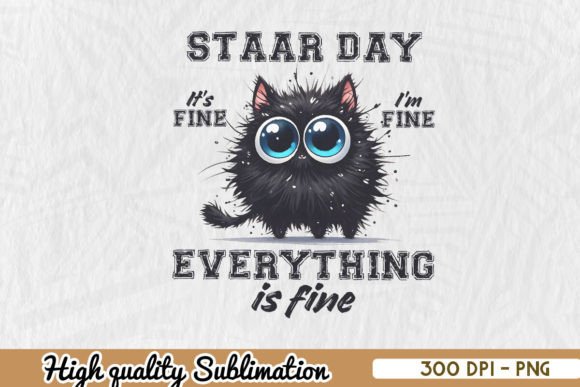
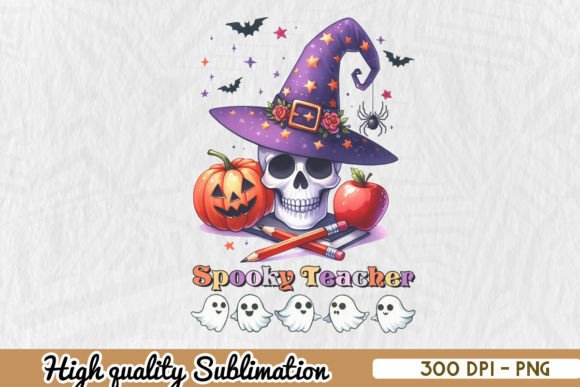
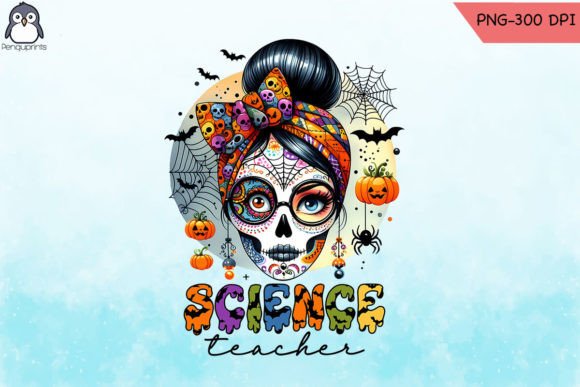
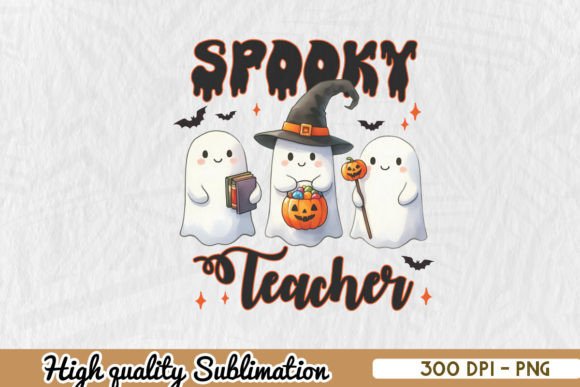
The immediate appeal of the Spooky Boo Funny Halloween Teacher PNG lies in its playful yet professional tone. It strikes a balance that is often difficult to achieve in holiday-themed design assets: it is spooky enough to be festive but cute enough to remain appropriate for an educational setting. The layout appears clean, with distinct shapes that suggest good potential for digitization. For an embroidery designer, this is promising. Complex, cluttered graphics often result in muddy stitching, but this design’s clear visual personality suggests it can hold its own on various fabrics.
The theme resonates strongly with the target audience. Teachers are a massive demographic for personalized gifts, and combining their profession with Halloween humor creates a high-demand niche. When I visualize this as a finished product, I see it working exceptionally well on items that benefit from a touch of whimsy, such as tote bags or casual apparel. The "funny" aspect implies a lighthearted approach, which aligns perfectly with the current trends in custom apparel and boutique branding.
Real-World Application: From Screen to Stitch
To truly evaluate the Spooky Boo Funny Halloween Teacher PNG, I mentally placed it into several common production scenarios. Imagine preparing a custom embroidered tote bag for a local elementary school teacher. The design needs to be visible from a distance yet detailed enough to look professional up close. Given the nature of this graphic, it would likely require a combination of fill stitch for larger areas and satin stitch for outlines or text elements to ensure clarity.
For sweatshirt embroidery, the texture of the fabric plays a significant role. A fleece or cotton blend provides a stable base, allowing the threads to sit evenly. However, if you are considering this for a baby embroidery project, such as a onesie or a small bib, you must be mindful of the scale. The design elements need to be large enough to prevent puckering, especially on stretchy fabrics. In my experience, designs that work well for holiday embroidery on adult garments often need slight adjustments when downsized for infant wear.
Another viable option is creating an embroidered patch. Patches are increasingly popular among craft business owners because they can be produced in batches and applied to various items later. The Spooky Boo Funny Halloween Teacher PNG could serve as an excellent base for a merrowed-edge patch, provided the outer lines are smooth and continuous. This adds value to your small shop product lineup by offering a versatile accessory that customers can iron or sew onto jackets, backpacks, or hats.
Navigating Technical Challenges and Fabric Choices
While the aesthetic is strong, practical execution requires careful planning. One area where caution is needed is with dark fabric. If the original PNG features light colors or white space, stitching these on black or navy blue requires thoughtful thread selection. You might need to use a underlay or choose high-contrast thread colors to ensure the design pops. Testing the design on scrap fabric is non-negotiable here. What looks crisp on a screen can disappear into the weave of a dark towel or shirt if the contrast isn't managed correctly.
Similarly, consider the hoop size constraints. If you are working with a standard 4x4 inch hoop, you may need to crop or simplify parts of the design. For larger items like tote bag design applications or pillow covers, a 5x7 or 6x10 hoop allows the graphic to breathe, preserving the integrity of any fine details. Be wary of tiny lettering or intricate corners; these areas are prone to thread breaks and poor definition if the stitch density is too high or the needle size is inappropriate.
Textured fabrics present another challenge. On waffle-knit towels or ribbed sweaters, the fabric texture can distort the appearance of the stitch work. Using the correct stabilizer is essential to counteract this. A cut-away stabilizer is often best for garments that will be washed frequently, ensuring the design remains stable and does not pucker over time. For commercial embroidery projects where durability is key, skipping this step is not an option.
Enhancing Brand Value and Customer Engagement
Using high-quality graphics like the Spooky Boo Funny Halloween Teacher PNG directly impacts perceived value. Customers associate clean, well-executed embroidery with professionalism. When a personalized gift looks polished, it fosters trust and encourages repeat business. For Etsy sellers, this means higher conversion rates and better reviews. The design’s humorous and thematic nature also aids in marketing; it is inherently shareable and fits well into social media content around the Halloween season.
Moreover, consistency in your design assets helps build brand recognition. If your shop specializes in teacher appreciation gifts, having a cohesive collection of holiday-themed designs establishes you as an authority in that niche. This Graphics file, when properly digitized and stitched, becomes more than just a decoration; it becomes a tool for brand building. It allows you to create printable mockup images that accurately represent the final product, reducing customer confusion and returns.
Practical Notes for Designers and Makers
Before committing to a full production run, there are several steps I recommend for anyone using this machine embroidery design concept. First, verify the licensing terms. Since the source describes it as a PNG for various crafts, ensure you have the right to use it for commercial embroidery if you plan to sell finished items. Never assume; always check.
- Test on Scrap Fabric: Always stitch out a test sample on the same material you intend to use for the final product. This reveals issues with tension, density, and color contrast.
- Check Thread Contrast: View your design in black and white to ensure the shapes are distinct without relying on color differences alone.
- Review Stitch Density: If you are digitizing this PNG yourself, avoid overly dense fills that can cause fabric stiffness or puckering.
- Confirm Hoop Size: Ensure the design fits comfortably within your hoop, leaving adequate margin for stabilization.
- Inspect Small Details: Zoom in on any text or fine lines. If they are too thin, they may not stitch out cleanly and might need simplification.
In conclusion, the Spooky Boo Funny Halloween Teacher PNG offers a solid foundation for creative Crafts projects. With careful attention to digitization, fabric choice, and stitching technique, it can elevate your embroidery file portfolio and result in high-quality, marketable products. Whether you are making a custom apparel piece for a client or stocking your online store with festive goods, this design has the potential to perform well when handled with professional care.