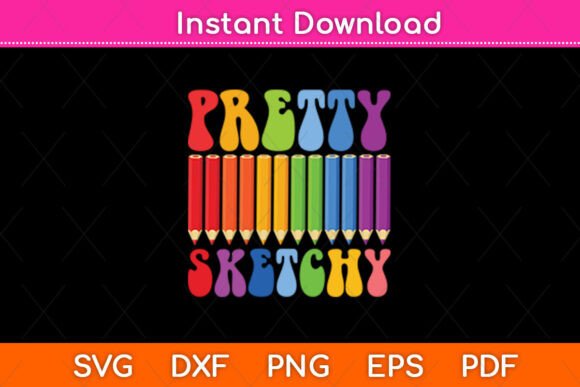
Reviewing Pretty Sketchy Fun Art Lover Colored
As a designer who spends more time staring at stitch simulations than I do sleeping, I have learned that not every digital file translates well to thread. We live in an era where design assets are abundant, but finding a graphic that holds up under the needle requires a critical eye. Recently, I pulled up Pretty Sketchy Fun Art Lover Colored to evaluate its potential for a upcoming batch of custom orders. This isn’t just about whether the image looks cute on a screen; it is about how it performs as a machine embroidery design in the real world.
The first impression of this piece is immediately inviting. It captures that loose, hand-drawn aesthetic that is currently dominating the Crafts sector. The sketchy lines suggest movement and creativity, which aligns perfectly with the target audience: artists, teachers, and anyone who identifies as a creative spirit. However, from a technical standpoint, "sketchy" can be a double-edged sword. In vector graphics, loose lines are easy to manage. In embroidery, they require careful digitizing to ensure they don’t turn into a bird’s nest of thread breaks and puckering.
Visual Appeal and Market Fit
When I look at Pretty Sketchy Fun Art Lover Colored, I see a strong candidate for lifestyle branding. The mood is playful yet sophisticated enough for adult apparel. For an Etsy seller or a small shop product creator, this type of Graphics file offers versatility. It doesn’t scream "children’s party," which means it has a wider demographic reach. I can envision this working beautifully on canvas tote bags, where the texture of the fabric complements the organic feel of the sketch lines.
The color palette implied by the title suggests vibrancy. In a finished product, using varied thread colors can bring depth to the design. However, because it is described as a file for cutting machines like Cricut and Silhouette, we must address the format. If you are purchasing this as an SVG for heat transfer vinyl (HTV) or sublimation, the application is straightforward. But if you are adapting this concept for embroidery, or if the package includes an embroidery file, you need to consider how those colored pencil shapes translate to satin or fill stitches.
Real-World Application: The Tote Bag Test
To test the viability of this design, I imagined a specific scenario: a custom order for a local art supply store. They wanted branded tote bag design options for their loyalty program. Pretty Sketchy Fun Art Lover Colored fits this brief naturally. The horizontal layout of many pencil-themed designs allows for placement across the chest of a bag or the front of an apron without overwhelming the item.
If this design utilizes an applique design technique, it would be ideal for larger items like pillows or wall hangings. Applique reduces stitch count and adds texture, which enhances the "handmade" feel. However, if it relies on dense fill stitch areas to mimic the shading of colored pencils, caution is needed. Dense stitching on a lightweight cotton tote can cause warping. In such cases, pairing the design with a sturdy cut-away stabilizer is non-negotiable to maintain the integrity of the handmade product.
Navigating Fabric and Stitch Challenges
One of the most critical aspects of reviewing any digital embroidery file is understanding its limitations on different materials. The "sketchy" nature of this art lover theme implies fine details and potentially thin lines. Here is where practical judgment comes into play:
- Fabric Texture: On textured fabrics like linen or heavy canvas, fine running stitch details might get lost. The thread needs to sit on top of the weave, not sink into it.
- Stretchy Fabric: If you plan to use this for sweatshirt embroidery or custom apparel made from jersey knits, the stability of the design is paramount. Sketchy lines can distort if the fabric stretches during wear. A proper stabilizer and perhaps a slight increase in stitch density for key outlines can help anchor the design.
- Dark Fabric: If the design relies on light-colored threads to mimic paper or pastel pencils, stitching on dark garments requires a white underlay. Without checking this, your vibrant colors may look muddy against black or navy blue.
For baby embroidery projects, softness is key. If this design is adapted for onesies or bibs, ensure that the back of the stitching is clean. Scratchy thread ends or heavy stabilizer remnants can irritate sensitive skin. In these cases, a tear-away stabilizer might be preferred over a cut-away, provided the design isn’t too large.
Commercial Viability and Branding
For the craft business owner, consistency is currency. Pretty Sketchy Fun Art Lover Colored offers a distinct visual personality that can help build brand recognition. When customers see this style, they associate it with creativity and fun. This emotional connection drives sales for personalized gift items. Whether it is a holiday embroidery project for a teacher’s gift or a year-round bestseller for art students, the theme is evergreen.
However, before listing this as a commercial embroidery asset, you must verify the license. Since the product description mentions it is an instant download for cutting machines, clarify if the creator grants commercial rights for embroidered finished goods. Many designers allow personal use but require an extended license for selling physical products. Always read the terms to protect your small shop product line.
Practical Designer Notes for Execution
If you are ready to stitch this design, here is my checklist for ensuring a professional result:
- Test on Scrap First: Never run a new design directly on your final garment. Use a scrap piece of the same fabric to check tension and registration.
- Check Hoop Size: Confirm the dimensions of the design fit your machine’s hoop size. If the design is large, you may need a 5x7 or 6x10 hoop, which not all home machines support.
- Thread Contrast: Choose thread colors that contrast sufficiently with the fabric. If the design is subtle, high-contrast threads will make the "sketchy" lines pop.
- Mockup Verification: Create a printable mockup or digital preview to show clients. This manages expectations and helps visualize the scale on items like caps or patches.
- Detail Inspection: Zoom in on the digital file. Are there tiny, isolated stitches? These can cause thread nests. If you are digitizing this from the SVG yourself, simplify nodes and merge close paths.
In conclusion, Pretty Sketchy Fun Art Lover Colored is a charming addition to any designer’s library, provided it is handled with technical care. It bridges the gap between digital art and tactile craft, offering a pathway to create engaging embroidered patch styles, apparel, and home decor. By respecting the material constraints and focusing on quality execution, you can transform this simple graphic into a high-value item that resonates with customers. Remember, the best embroidery project is one that looks as good after the hundredth wash as it did coming off the machine.